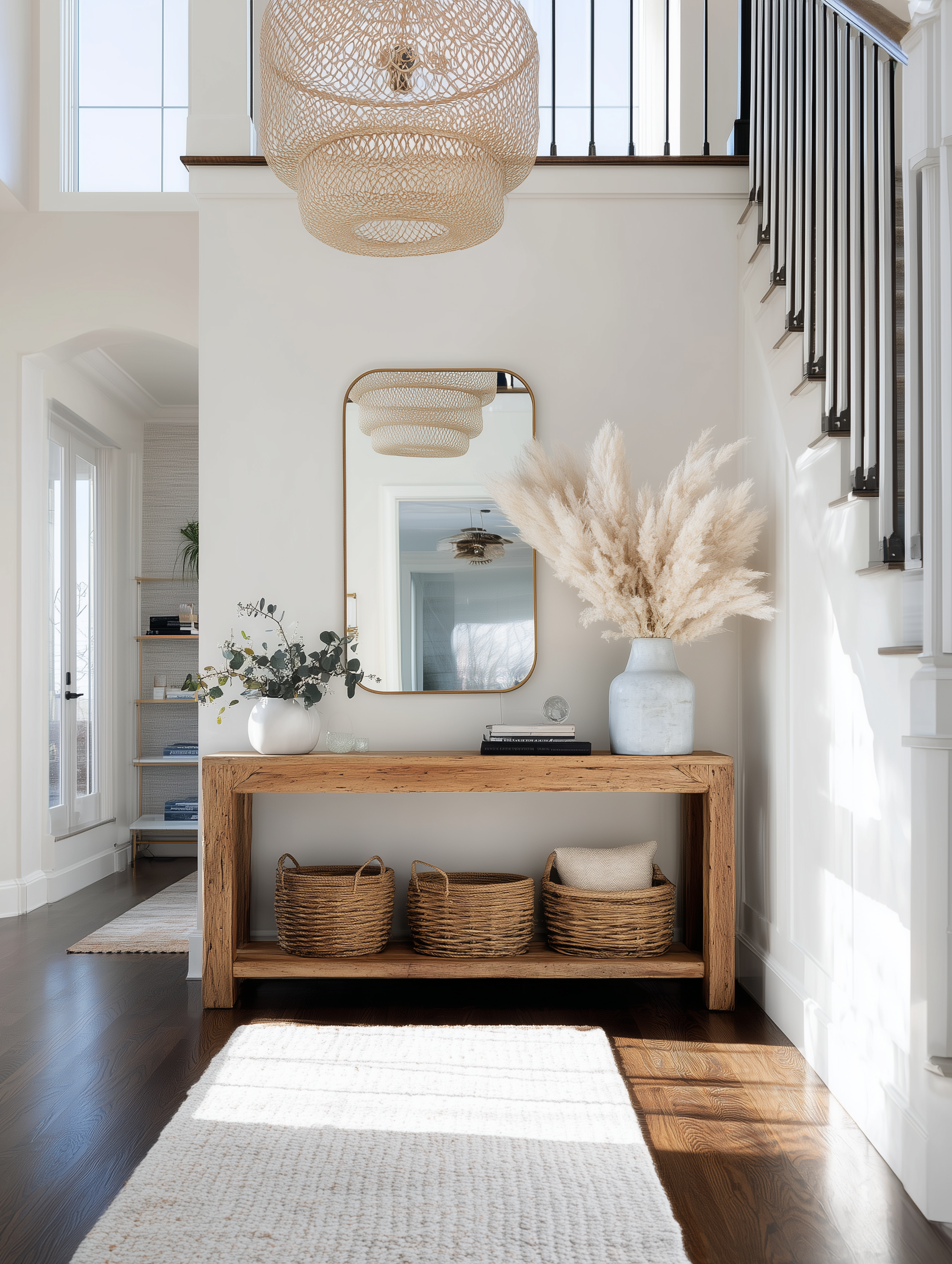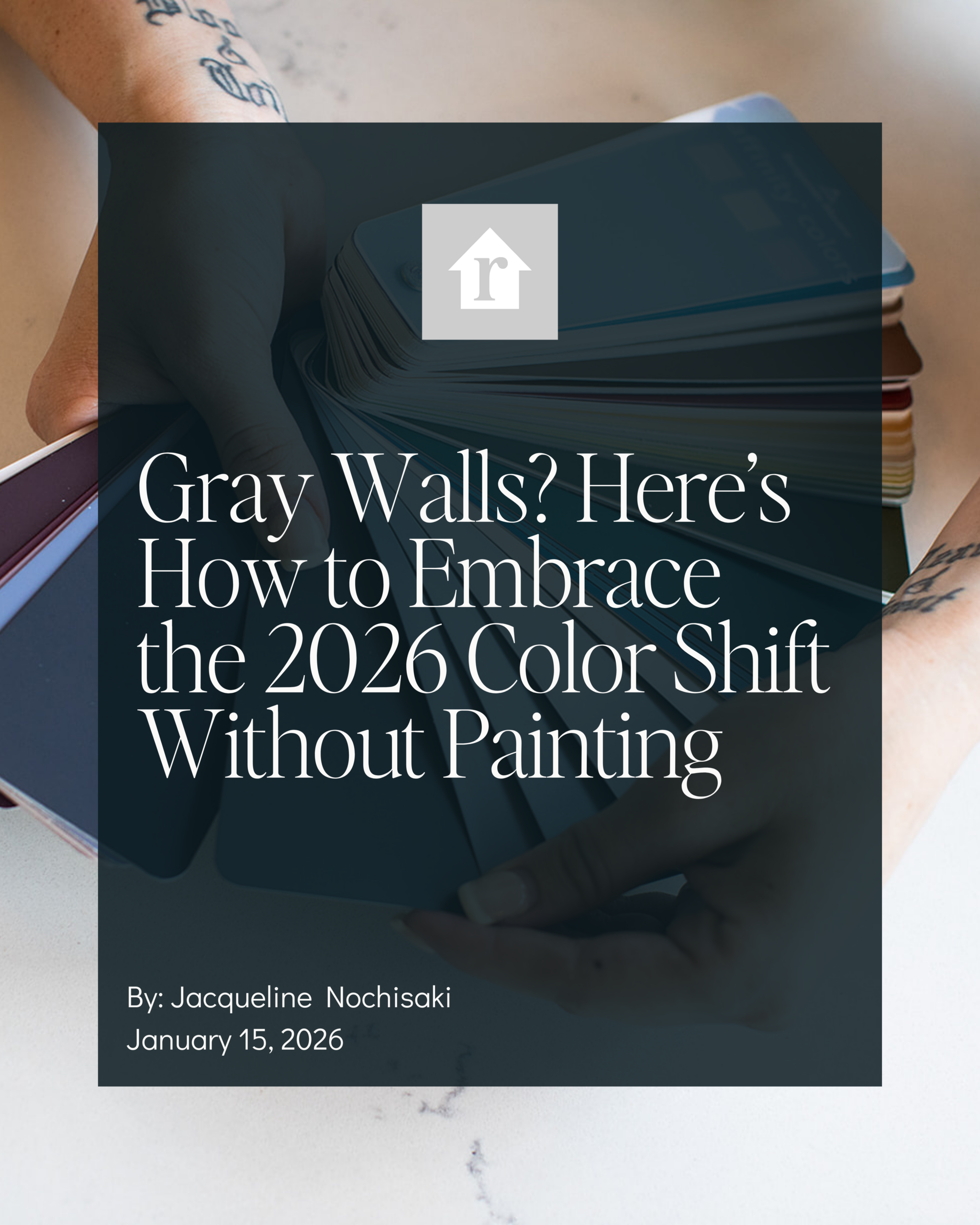
We were thrilled to be featured in Realtor.com for their piece on 2026 home color trends! Being asked to share insights on the shift toward earthy, wellness-supporting colors was perfect—this movement represents a fundamental change in how we approach color in our homes.
Publication: Realtor.com
Article Title: 2026 Home Color Trends: Earthy Without Painting
Publication Date: January 15, 2026
Author: Jacqueline Nochisaki
Realtor.com explored the color trends defining 2026, asking designers to explain the shift toward warm, earthy palettes and away from the cool, sterile tones that dominated the past decade. The article examines why homeowners are prioritizing colors that support wellbeing over colors that simply photograph well.
Why the Wellness-Focused Color Approach Is Needed Right Now:
When Realtor.com asked about the shift toward intentional color choices, here’s the perspective I shared:
We’re experiencing a collective recalibration after years of high stress and overstimulation. The pandemic forced us to spend unprecedented time in our homes, which revealed just how much our environments impact our wellbeing. People are now dealing with increased rates of anxiety, disrupted sleep, and nervous system dysregulation—and they’re finally realizing their homes can either exacerbate or help heal these issues.
The “aesthetic-first” approach to design that dominated the 2010s prioritized how spaces looked on Instagram over how they felt to live in. Now, homeowners are asking different questions: “Does this help me sleep better?” “Will this help me feel less stressed?” “Can my home support my family’s mental health?” This shift toward intentional design isn’t just a trend—it’s a fundamental change in what we’re asking our homes to do for us.
Additionally, we’re seeing mounting research on how environmental factors like color, light, and materials affect our biology. People want design choices backed by science, not just what’s trending on Pinterest.
Colors I’m Loving for 2026:
Warm Terracottas & Clay Tones
These grounding earth tones support nervous system regulation and create a sense of safety in our homes. They’re particularly powerful in living spaces where we need to decompress after overstimulating days.
Big move: Accent walls in bedrooms or living rooms
Small move: Terracotta planters, clay-colored throw pillows, or linen curtains
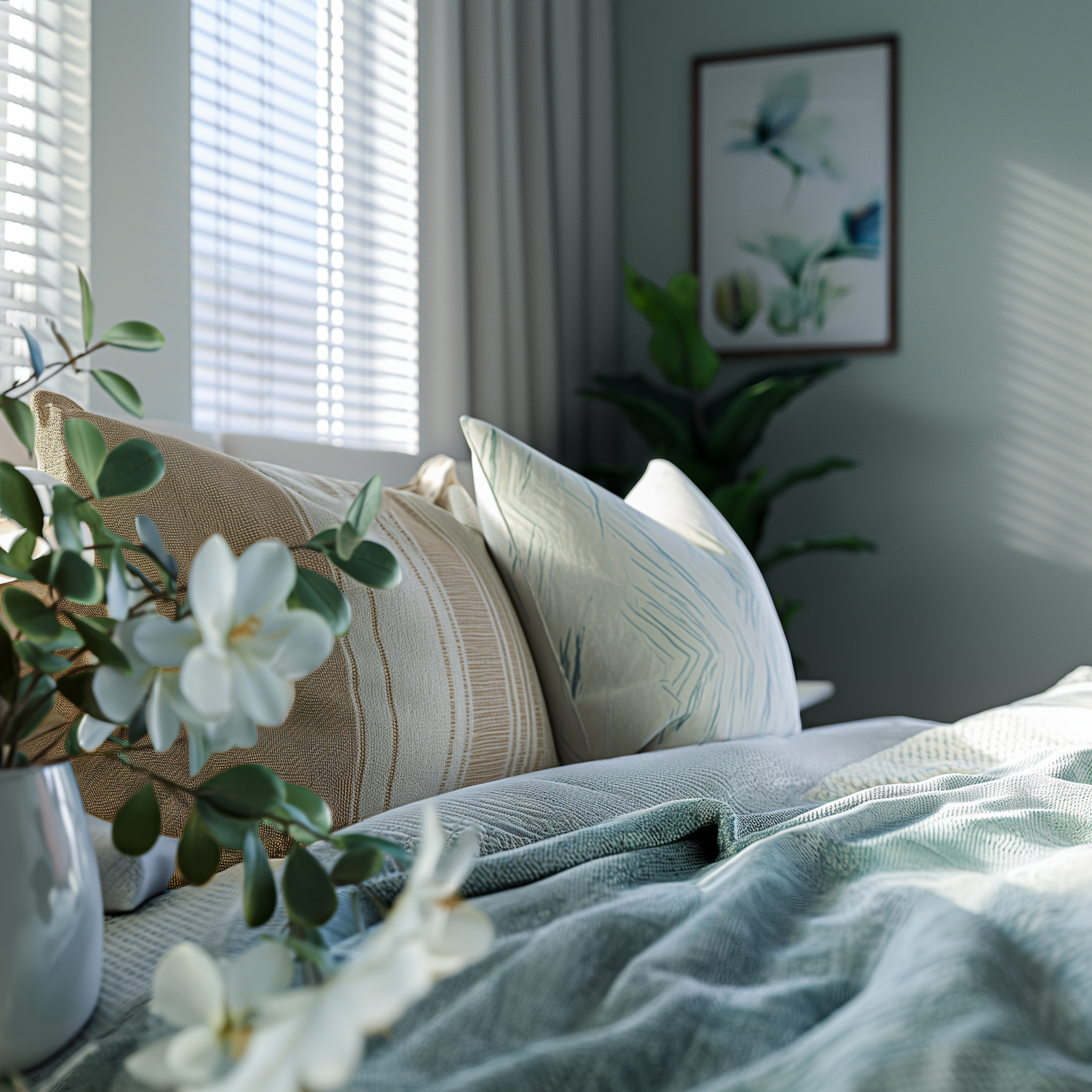
My favorite: Through bedding! It’s the easiest way to bring warmth into the space you rest in.
Soft Sage & Muted Greens
Biophilic design research shows that natural greens reduce cortisol and support focus. These aren’t bright, energetic greens but softer, more sophisticated tones that bring the outdoors in.
Big move: Kitchen cabinets or bathroom tile (particularly textured subway tile)
Small move: Vintage green glassware, eucalyptus-dyed textiles, or botanical artwork
Warm Creams & Off-Whites
Moving away from stark whites toward warmer, more enveloping neutrals that don’t trigger the stress response harsh whites can create. These create cocoon-like spaces that support rest while still being soft and neutral enough to support colorful accessories.
Big move: Wall color throughout the home
Small move: Switching out bright white bedding for organic cotton in warm cream tones
Colors I’m Skipping in 2026:
Millennial Gray
After years of dominance, these cool-toned grays feel sterile and can actually increase feelings of anxiety and isolation. They lack the warmth our nervous systems crave, especially post-pandemic. I am personally thrilled to see the gray era winding down!
What changed: Millennial Gray dominated for nearly a decade because it felt “safe” and “modern”—but what initially seemed sophisticated now reads as cold and institutional. As we spent more time at home during the pandemic, people started noticing these cool grays made spaces feel lonely and uninviting. There’s also emerging research suggesting that environments lacking warmth can contribute to feelings of isolation. We’ve collectively realized that “safe” doesn’t mean “supportive.”
Oversaturated Jewel Tones
While beautiful in small doses, the intense saturation we’ve seen everywhere (think: emerald green, sapphire blue, deep plum) can quickly become visually exhausting. Our eyes and brains need more rest, not more stimulation.
What changed: We’re moving away from them because they’re visually exhausting in a world where we’re already overstimulated by screens, notifications, and constant input. What’s changed is our collective nervous system capacity—we simply can’t handle more intensity. We’re craving visual rest. A lot of the popular color choices right now are still beautiful, colorful options—but we are choosing the slightly muted version rather than the energizing version. We’re not avoiding color; we are choosing the version of a shade that works best for us.
Pure Bright White
Stark whites can increase eye strain and create a clinical feeling that works against the “home as sanctuary” approach we’re seeing in 2026. And with what feels like literally hundreds of whites to choose from—a little nuance goes a long way!
What changed: Bright, pure whites were the Instagram aesthetic of the 2010s—that crisp, minimalist, “gallery-like” look. But what works for a two-hour photoshoot doesn’t work for daily living. These stark whites create glare, increase eye strain (especially with our increased screen time), and trigger a subtle stress response because they feel clinical rather than homey. The change: we’re prioritizing how spaces feel to inhabit over how they photograph, and I believe we’re changing people’s perception that color is to be avoided!
How to Incorporate These New Colors:
Start Small: Textiles & Layering
The easiest way to test a new color is through textiles. Bedding, pillows, throws, and curtains give you a low-risk way to see how a shade behaves in your home’s natural light. Because textiles add both color and texture, they make the transition feel intentional rather than startling, even when you’re making a bold shift from what you normally gravitate towards.
Use Organic, Tactile Accessories
Pottery, ceramics, planters, art, and woven pieces are perfect for trying out earth tones or muted greens. The texture softens the color and makes even a bold hue feel approachable.
Try a Medium Step: Furniture or Millwork
A clay-toned dresser, a sage console table, or even colored kitchen islands are great places to experiment. These pieces create impact but can be changed later if your preferences shift.
Go Big in Emotionally Defined Spaces
If you’re ready for a bolder move, choose a room where color has a clear purpose. Terracotta in a bedroom promotes grounding and rest. Sage in an office supports focus and calm. Mineral blue in a bathroom enhances relaxation. When color supports the function of a space, it feels natural—not risky.
Accent Walls Still Work
Accent walls are coming back, but with warmer, earth-based shades rather than high-contrast colors. A clay or olive accent wall adds depth and coziness without overwhelming the room. You can still embrace that soft neutral that feels safe while pushing your boundaries through these hues!
How Different Colors Affect Your Wellbeing
Warm Earth Tones (Terracotta, Clay, Rust):
- Effect: Grounding, stabilizing, warming
- Best for: Bedrooms, living rooms, spaces where you need to decompress
- Nervous system response: Activates parasympathetic (rest) response
- Avoid if: You tend toward lethargy or depression (too grounding)
Soft Greens (Sage, Olive, Eucalyptus):
- Effect: Calming, focusing, restorative
- Best for: Home offices, bathrooms, kitchens
- Nervous system response: Reduces cortisol, easiest color for eyes to process
- Avoid if: You need high energy (too calming for workout spaces)
Warm Neutrals (Cream, Warm Beige, Linen):
- Effect: Peaceful, cocoon-like, safe
- Best for: Any space, especially bedrooms and living areas
- Nervous system response: Non-stimulating, allows other elements to shine
- Avoid if: You want bold visual interest (too subtle as sole color)
Cool Grays (Millennial Gray, Blue-Gray):
- Effect: Isolating, cold, potentially depressing
- Best for: Commercial spaces, not residential
- Nervous system response: Can increase feelings of loneliness
- Avoid in: Bedrooms, living rooms, spaces where warmth is needed
Bright Whites (Pure White, Stark White):
- Effect: Clinical, energizing, potentially stressful
- Best for: Art galleries, modern commercial spaces
- Nervous system response: Can increase alertness, cause eye strain
- Avoid in: Bedrooms, relaxation spaces
Saturated Jewel Tones (Emerald, Sapphire, Deep Plum):
- Effect: Dramatic, energizing, potentially overwhelming
- Best for: Small doses, accent pieces, dining rooms
- Nervous system response: Stimulating, can be exhausting over time
- Avoid in: Large surfaces, bedrooms, spaces for rest
Why This Approach Matters:
At The Intentional Design Studio, I approach color not just as an aesthetic choice, but as a tool that impacts our nervous systems, circadian rhythms, and overall wellbeing. The shift we’re seeing in 2026 isn’t about following trends—it’s about creating homes that actively support our health.
When we choose colors that ground us, reduce visual stress, and create environments where our bodies feel safe to rest, we’re not just decorating—we’re supporting our fundamental wellbeing. That’s the difference between design that looks good and design that feels good.
We’re so grateful to Realtor.com for the opportunity to share these insights with their readers!
Read the full article on Realtor.com →
Interior Design Color Trends 2026 – The comprehensive industry data behind this shift
Curious to see what else we’ve been featured in? Explore our full collection of press mentions and expert insights on our Press Page.
Ready to create a home that supports how you live and feel?
Our complimentary discovery call is the first step—no pressure, no decisions—just a chance to share more about your project and see if we’re the right fit. Click here to inquire and take the first step toward a beautifully intentional home.
📍 Proudly serving Athens, Georgia, Oconee County, and surrounding communities throughout Northeast Georgia and beyond
💌 Book a complimentary call with us to discuss your project!