You feel it before you can name it.
The restlessness that arrives with March. The sudden, insistent urge to rearrange the living room at 9pm on a Tuesday. The low-grade sense that something in your home needs to shift — even if everything is technically fine.
You’re not imagining it, and you’re definitely not alone. That spring-cleaning impulse isn’t just a cultural habit or a Pinterest algorithm in overdrive. It’s biology. Your nervous system is responding to real, measurable changes in your environment, and your home has its own set of signals it’s been quietly sending all winter long.
Understanding the psychology behind seasonal resets can help you stop feeling vaguely unsettled and start feeling genuinely at home again. Here’s what’s actually happening and what to do about it.
The Science Behind Seasonal Resets

Light is one of the most powerful environmental cues your nervous system receives. As daylight hours increase each spring, your brain shifts its melatonin production — the hormone responsible for sleep and mood regulation — and your cortisol (your alertness hormone) begins rising earlier in the morning. In plain terms: you’re waking up with more energy, more sensitivity to your surroundings, and a heightened awareness of what isn’t working.
Research in environmental psychology confirms what most of us feel intuitively: our physical environment has a direct, measurable impact on our mental state. Clutter elevates cortisol. Poor lighting can suppress serotonin. A space that feels heavy or stagnant can keep your nervous system stuck in a low-grade stress response — even when your conscious mind has fully adapted to it.
Spring resets aren’t about aesthetics for aesthetics’ sake. They’re about recalibrating your space to support your nervous system through a genuine seasonal transition. Your home should help regulate you — not add to the noise.
What Your Home Is Telling You This Spring
Homes accumulate the energy of the season we’ve just come through. Winter tends to mean more time indoors, heavier textiles, closed windows, and furniture arranged for warmth and containment. It also tends to mean the slow accumulation of stuff — seasonal gear, holiday remnants, the pile on the kitchen counter that seemed manageable in January.
By early spring, all of that has a physical and psychological weight. Your space may be telling you it’s ready to reset through subtle cues: a room that suddenly feels smaller, a hallway that always feels cluttered no matter what, a living room that hasn’t felt right since you moved the furniture for the holidays and never moved it back.
These aren’t decorating failures. They’re data. Your home is responding to the same seasonal shift you are and it’s asking for some intentional attention.

The Most Common Signs Your Home Needs a Reset
Not every space needs a full redesign. But every home can benefit enormously from a thoughtful seasonal reset. Here are the signs I see most often — both in client consultations and in my own home:
- You dread a certain room. Not dramatically — just a low-level reluctance to spend time there that you’ve started to work around.
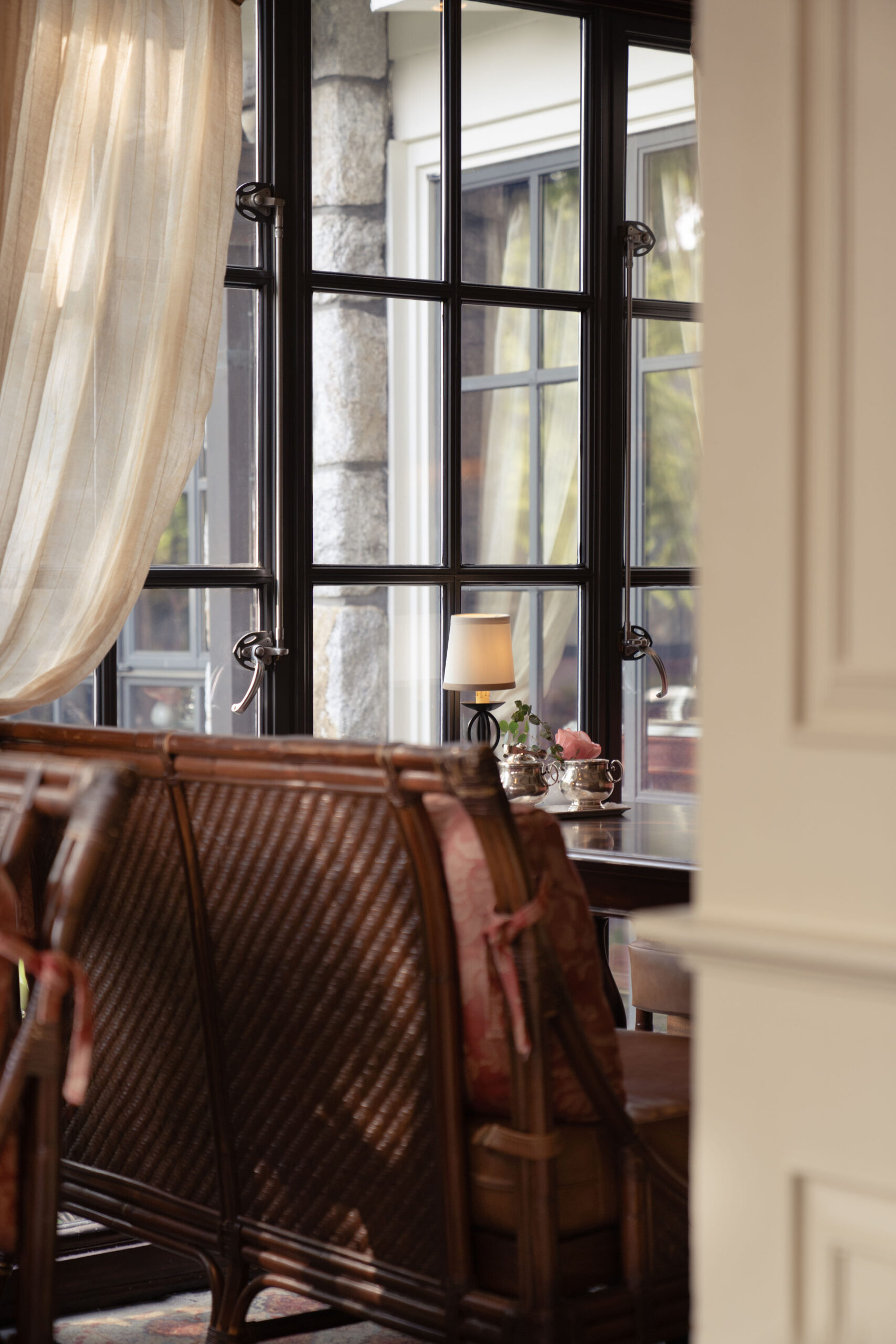
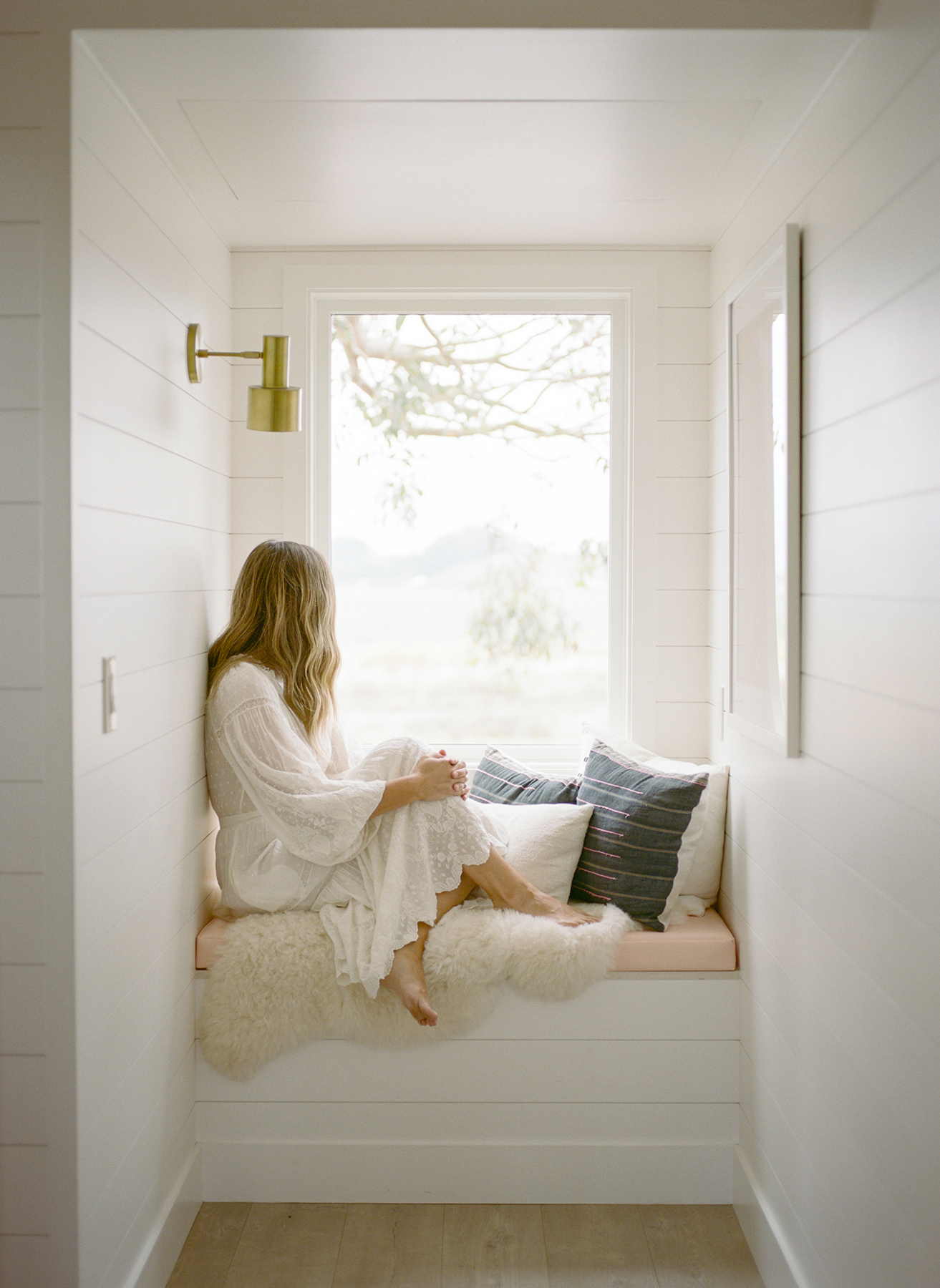
- Natural light feels blocked. Whether by heavy curtains left over from winter, furniture placement, or accumulated objects on windowsills, your home may be starving for the light spring is offering.
- You can’t find calm. You walk in the door and your nervous system doesn’t settle. Something is keeping it activated — and it’s often spatial or sensory, not circumstantial.
- Surfaces have become dumping grounds. When flat surfaces consistently accumulate clutter, it’s usually a signal that the organizational system isn’t aligned with how you actually live.
- Your space doesn’t reflect who you are right now. We change. Our homes should be allowed to evolve with us, and sometimes a seasonal shift is the perfect prompt to realign them.
If one or more of these feels familiar, it’s time to reset your home.
Where to Start: A Room-by-Room Approach

A spring reset doesn’t have to happen all at once. In fact, I’d argue against trying to do it all in a weekend. Intentional change, made slowly enough to actually notice, tends to stick far better than a frenzied Saturday overhaul.
Here’s how I recommend approaching it, room by room:
Living Room
Start with light. Swap out heavy drapes for something lighter — sheer linen panels, woven shades, or simply nothing at all for a few weeks. Rearrange seating to face a window or open a natural sightline. Rotate out heavy throw blankets and pillows for lighter textures in muted naturals or warm spring tones. Remove anything from the coffee table or side tables that you don’t love, that’s not useful or doesn’t make you happy.
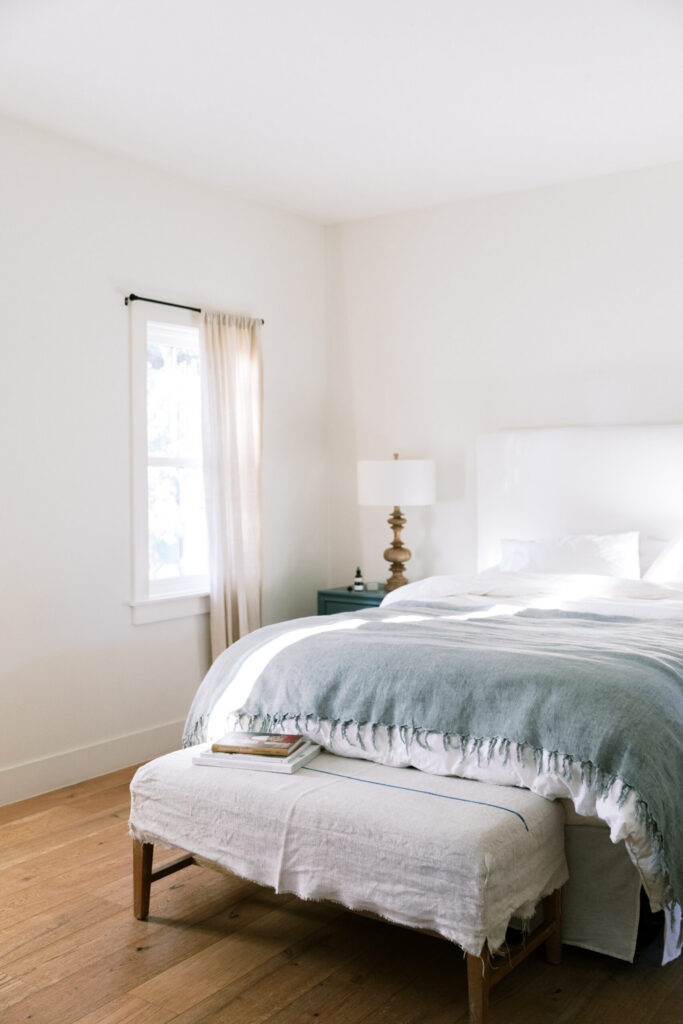
Bedroom
Your bedroom is one of your nervous system’s most important rooms. Spring is a beautiful time to shift your bedding to lighter weight layers, clean out the under-bed storage that’s been quietly stressing you out, and introduce a small living element — a plant, a branch of stems from your yard, a bowl of stones from a walk. Ground your space in something alive (or nature related).
Kitchen
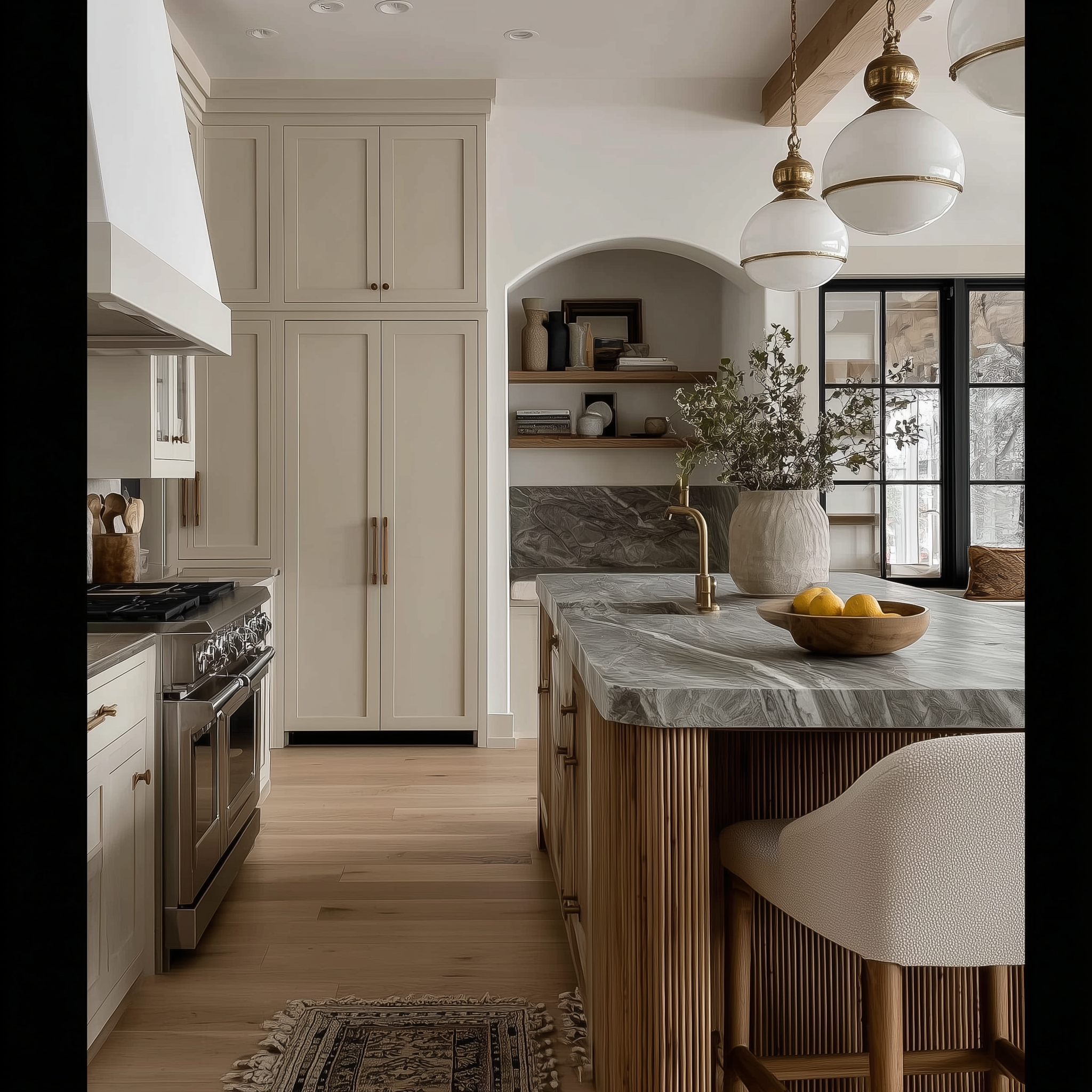
Clear the counter. All of it. Then only put back what you use daily. Store seasonal or infrequently used appliances elsewhere. Clean out the junk drawer (yes, that one). Introduce fresh herbs on the windowsill. Swap your dish towels for something that actually makes you smile.
Entryway
Your entryway sets the tone for your entire home — and your nervous system’s transition from public to private. Clear out winter gear and establish a simple, functional drop zone. Add a small mirror if the space allows; light and visual openness communicate safety to your brain before you’ve even taken your shoes off.
Home Office or Work Spaces
Reorganize your desk surface, clear your line of sight, and if possible, shift your desk to face natural light rather than away from it. Add something from nature — a plant, a stone, a piece of driftwood. Your nervous system will thank you.
When to Call a Professional
There’s so much you can do on your own to reset and refresh your space this spring — and the 30-Minute Home Reset Guide I created is a great place to start. It’s a practical, room-by-room walkthrough designed to help you identify what needs attention and take action without the overwhelm.
But sometimes the restlessness you feel in your home runs deeper than a seasonal edit can reach. Sometimes you’ve been living with a space that fundamentally doesn’t support you — a layout that’s never quite worked, a color palette that’s been draining you for years, a home that looks fine from the outside but never feels like yours.
That’s when it makes sense to bring in a professional.
At The Intentional Design Studio, I work with clients to create spaces that actively support nervous system regulation — not just spaces that look beautiful, but spaces that feel different the moment you walk in. Whether you’re looking for a single Interior Design Consultation to help you see your space with fresh eyes, or are ready to hire us for full service Interior Design to begin a larger transformation, I’d love to help you make this spring reset truly intentional.
Your Home Is Ready. Are You?
The biology of spring is inviting you into change. Your nervous system is primed for it. And your home — patient as it always is — has been waiting for your attention since the days started getting longer.
You don’t have to tackle everything at once. You just have to start somewhere.
→ Download the free 30-Minute Home Reset Guide to get a room-by-room reset checklist that takes the guesswork out of where to begin.
→ Ready to go deeper? Book a Healthy Home Consultation or an Interior Design Consultation and let’s build a space your nervous system actually loves.
Because a home that supports you doesn’t happen by accident. It happens by design.


homes