Let’s address one of the biggest questions about interior designers:
“Is hiring an interior designer really worth it?”
In most cases – yes. But probably not for the reasons you’ve been weighing.
Most people get stuck on the cost conversation. They’re trying to decide whether hiring a designer fits into the budget, when the better question is often what it costs not to have one. The furniture that doesn’t quite work or worse, won’t work at all. The renovation that got more complicated than expected. The room you’ve poured money into but still don’t fully love.
Because most people are not just trying to create a prettier room. They’re trying to create a home that feels easier to live in, more supportive of their routines, and more like them.
This post is for anyone who’s on the fence. If you’ve been wondering whether professional design help is overkill for your project, or whether you could just figure it out yourself, here’s the honest breakdown.
When It Makes Sense to Hire a Designer

Not every project needs a designer. But some projects truly benefit from professional guidance — and knowing the difference can save you a lot of money, time, and frustration.
Hire a designer when:
- You’re making permanent or expensive decisions. Renovations, new builds, and large furniture purchases are the highest-stakes design moments in a home. Mistakes aren’t just aesthetic — they’re financial. Getting it right the first time isn’t a luxury; it’s protection.
- You’re experiencing analysis paralysis. The internet has made design research simultaneously easier and completely overwhelming. A designer cuts through the options and presents what will actually work for your space, your lifestyle, and your budget. That curation alone saves weeks.
- You value your time. DIY design projects take 100 to 300 hours depending on scope. Calculate what an hour of your time is worth — then decide whether spending that time sourcing, measuring, returning, and second-guessing is actually “saving” money.
- The project is complex. Anything involving multiple trades, phased renovations, new construction, or rooms that need to function across competing uses is exactly where professional guidance becomes especially valuable. The more moving parts involved, the easier it is for expensive missteps, delays, and decision fatigue to pile up.
- You’ve tried, and something still feels off. This is one of the most common reasons clients reach out. They’ve done everything “right,” but the room still doesn’t feel the way they imagined. A designer can often identify patterns, layout issues, or missed opportunities much more quickly — and offer a clear plan for fixing them.
- You want a thoughtful result the first time. No unnecessary redos. No settling. No living with a decision you regret every time you walk into the room.
What You Actually Get for Your Investment
Interior designers don’t just pick furniture. What you’re really investing in is expertise, strategy, and a home that functions beautifully for the people living in it.
And beyond function, good design changes how a home feels to live in. A well-designed space can reduce friction, support rest, make daily routines easier, and help your home feel like a place that restores you instead of quietly stressing you out.
Here’s what the investment actually covers:
Expert space planning. Most rooms are underperforming because of how they function, not just how they look. Scale, traffic flow, functional zones, storage, sightlines — a designer considers how a room works, not just how it looks.
Material and product knowledge. Designers know which products hold up, which have chronic quality issues, and which are genuinely worth the premium. That knowledge is built from years of sourcing and from seeing what happens after installation — something you can’t Google.
Problem-solving before problems happen. The outlet in the wrong place. The lighting that will flatten the space. The storage that sounds like enough until you actually live there. A designer anticipates these issues before they’re expensive to fix.
Project management. Coordinating contractors, tracking deliveries, managing timelines, and being the person who follows up when something’s delayed — that’s included. For most clients, this alone is worth the fee.
Budget optimization. Designers know where to invest, where to hold back, and how to allocate a budget with intention. A well-planned design budget usually creates far more value than the same amount spent without a strategy.
Time savings. You make decisions. We do the research, sourcing, coordination, and execution. The process is collaborative — but your time in it is focused, not scattered.
| I’ve seen clients spend thousands trying to piece a room together on their own, only to realize later that key pieces were the wrong scale, function, or feel for the space. By the time they replace what isn’t working, they’ve often spent as much — or more — than they would have if they’d brought in professional help from the beginning. That’s the math people often don’t see until after the fact. |
The Real Cost of DIY
DIY design isn’t free. It comes with real costs that don’t always show up in the budget until it’s too late.
- Your time. At even $50/hour, 200 hours of research, shopping, and coordination is $10,000 of your time — spent on something outside your expertise.
- Returns and replacements. The wrong rug size. The paint color that looked completely different on the wall. The sofa that photographs smaller than it is. These are standard DIY expenses. They add up. Depending on the manufacturer – some require a restocking fee or charge you to ship it back. That can add up fast!
- Mistakes that stick. Some decisions can’t be easily reversed — flooring, built-ins, tile, paint colors on textured walls. Getting these wrong is expensive to fix and often means living with something you don’t love for years.
- Safety and proper installation. Some projects go far beyond paint colors and pillow swaps. Lighting, plumbing fixtures, tile, built-ins, heavy wall-mounted pieces, and other installed elements need to be planned and executed correctly. When something is installed improperly, the cost is not just aesthetic — it can affect safety, durability, and how well your home functions over time.
- The opportunity cost. While you’re spending weekends on furniture research, what else isn’t getting done? A designer gives that time back to you.
None of this is meant to be discouraging. For some people and some projects, it makes complete sense – especially when the stakes are relatively low. But when decisions affect not just how a space looks, but how safely and smoothly it functions, professional guidance can make a very real difference. It’s important to count the real cost, not just the design fee you’d pay a professional.
How to Know If You’re Ready
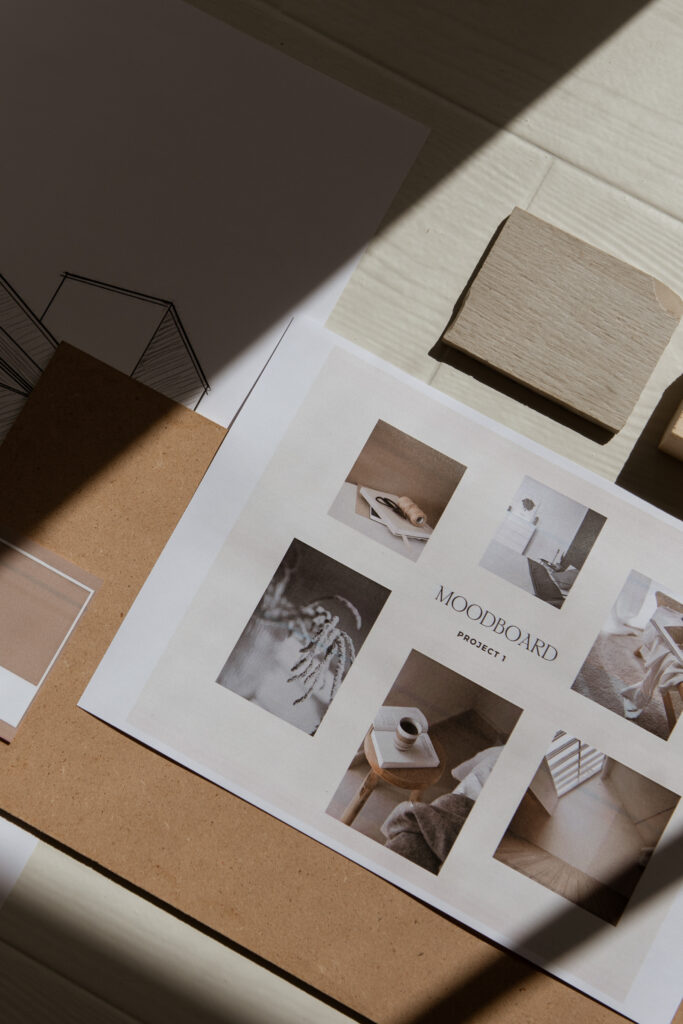
Working with a designer is collaborative, and the process tends to go best when a few things are in place:
- A realistic budget. You don’t need to know the exact number, but you should be able to have an honest conversation about what you’re working with. Designers can work across a range of budgets — but we need to know the range.
- Openness to the process. Design decisions take time, and the first round isn’t always the final round. Trusting the process — even when it feels slower than you expected — leads to better results.
- Clear communication about how you live. Not inspiration photos. How you actually use the space. Who uses it, how often, and what isn’t working right now.
- Readiness to make decisions. Designers can guide and recommend, but clients make the calls. The process moves faster when you’re available to give input.
And when does it not make sense to hire a designer? If your budget is extremely tight, if you genuinely want the DIY experience for the enjoyment of it, or if your timeline is so compressed that there is no room for a thoughtful process, those are honest reasons to wait or to start smaller.
| Not sure where to start? If you’re not ready for full-service design but know you want expert guidance, a consultation can be a thoughtful first step. It gives you a professional perspective on what’s working, what isn’t, and where to focus before committing to a larger project. For many people, that kind of clarity is exactly what helps them move forward with more confidence. |
What Working Together Actually Looks Like
One of the biggest misconceptions about working with a designer is that it means handing over control. It doesn’t.
Good design is collaborative. You bring the life you want to live. I bring the expertise to build a space that supports it. And at IDS, that process is intentionally thoughtful, organized, and designed to help clients feel supported from start to finish.
Every project runs through a dedicated client portal where you can see exactly where things stand: design decisions, selections, timelines, and our weekly updates. Nothing lives in a chaotic email thread. You always know what’s happening, what’s coming next, and what we need from you. For clients who’ve experienced the anxiety of a disorganized renovation or an unresponsive contractor, that alone is a relief.
What also sets IDS apart is the lens we bring to every project. Design here isn’t just about aesthetics — it’s about how your environment affects the way you live, feel, and function every day. Every space we design is considered through a wellness framework: how light, materials, texture, and layout work together to create a home that feels calmer, healthier, and more supportive to be in. That means we’re vetting materials for toxicity and indoor air quality, not just finish and durability. It also means we’re thinking about biophilic design — how to bring nature’s patterns and elements into your space in ways that have a measurable effect on stress, focus, and rest. And the finished room doesn’t just photograph beautifully, it completely changes the way you live.
The process looks like this:
- Discovery and consultation. We talk about how you use the space, what’s not working, what you love, and what your goals are. This shapes everything that follows.
- Design development. I develop a concept and direction — space plan, materials, palette, furniture — and bring it to you with clear reasoning for every decision.
- Selection and refinement. We review, adjust, and finalize. You make the calls; I make sure the options presented are curated and cohesive.
- Implementation and installation. I coordinate the execution — deliveries, contractors, installations — and manage the timeline so you don’t have to.
- The final reveal. This is the part clients describe as surprising even when they thought they knew what was coming. Seeing everything come together in person is different.
Whether we’re working on one room or a whole home, the process is the same.
The Question Isn’t Whether You Can Afford a Designer
The question is whether you want to keep spending time, energy, and money on a space that still isn’t giving back to you.
Hiring a designer often has less to do with luxury than people assume. More often, it is about clarity, function, and creating a home that feels good to live in — without the waste, overwhelm, and second-guessing that so often come with doing it alone.
Whether you’re ready for full-service design or want to start with a conversation, there’s a way to work together that fits where you are right now.
→ Book an Interior Design Consultation | Explore all services
Not ready for that yet? Start with the free 30-Minute Home Reset — a practical guide to identifying what’s not working in your home and where to focus first.


homes