Friction is what you stop noticing.
It becomes the background noise of your home — the drawer that sticks, the kitchen layout that makes more than one person cooking at a time impossible, the hallway that funnels everyone into chaos, the bedroom that never quite lets you rest. You’ve learned to work around it. You don’t even see it anymore.
Until someone points it out.
That’s what an interior designer does. Not just pick pretty finishes, but look at how your home actually functions — how it supports (or undermines) the rhythms of your daily life. And in most homes? The friction is hiding in the same places.
I’m going to teach you where to look.
What Is Design Friction?
Design friction is anything in your home that creates resistance — physical, mental, or emotional — between you and the way you want to live.
Maybe it looks like backpacks and lunchboxes collecting by the door because there’s nowhere natural for them to land. It’s groceries covering every kitchen surface because there isn’t a true landing zone. Maybe it’s a bedroom that technically looks fine but never quite feels restful. Friction often hides inside these tiny repeated moments — the ones that seem insignificant on their own, but wear on you over time.
Friction isn’t always visible. Sometimes it shows up as a vague feeling, like a low-level stress you carry from room to room. A sense that your home is working against you rather than for you.
The good news: most friction is fixable. Some of it doesn’t even require a renovation.
| Designer’s Lens: When I walk through a client’s home, I’m not looking for what’s trendy or what needs to be replaced first. I’m looking for friction. What’s slowing this family down? Where are the bottlenecks? Where does this space ask too much of the people living in it? Using the method I delivered, I look at every room through four lenses: how it functions, how it flows, how it feels to the nervous system, and how well it supports the life happening there every day. Because a home can be beautiful and still be exhausting to live in. And often, the real problem isn’t a lack of style or beautiful furniture etc. It’s that the space was never designed around the people actually using it. |
A Simple Way to Spot Friction in Your Home
If you’re not sure where your home’s friction points are, start here:
Ask yourself:
- What do I look for in this room every single day?
- Where do things tend to pile up or get dropped?
- Where do I find myself backtracking, searching, or feeling irritated?
- What in this room asks more of me than it should?
The answers are usually more revealing for the functionality of your home than any Pinterest board ever could be. Friction shows up where your home is asking you to compensate for something the space itself should be handling.
The Entryway
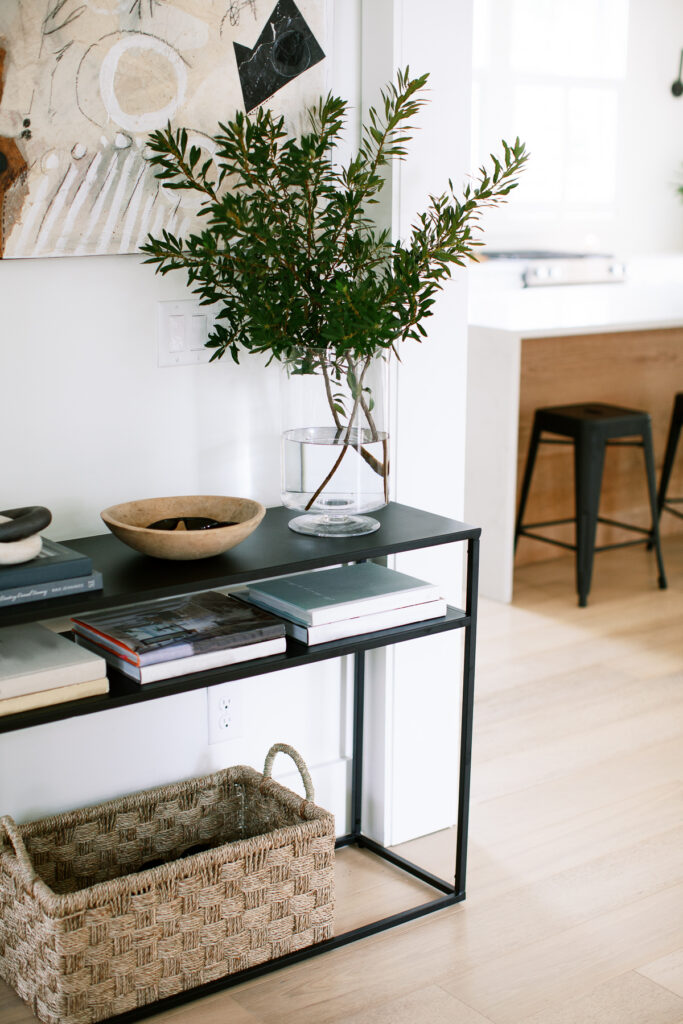
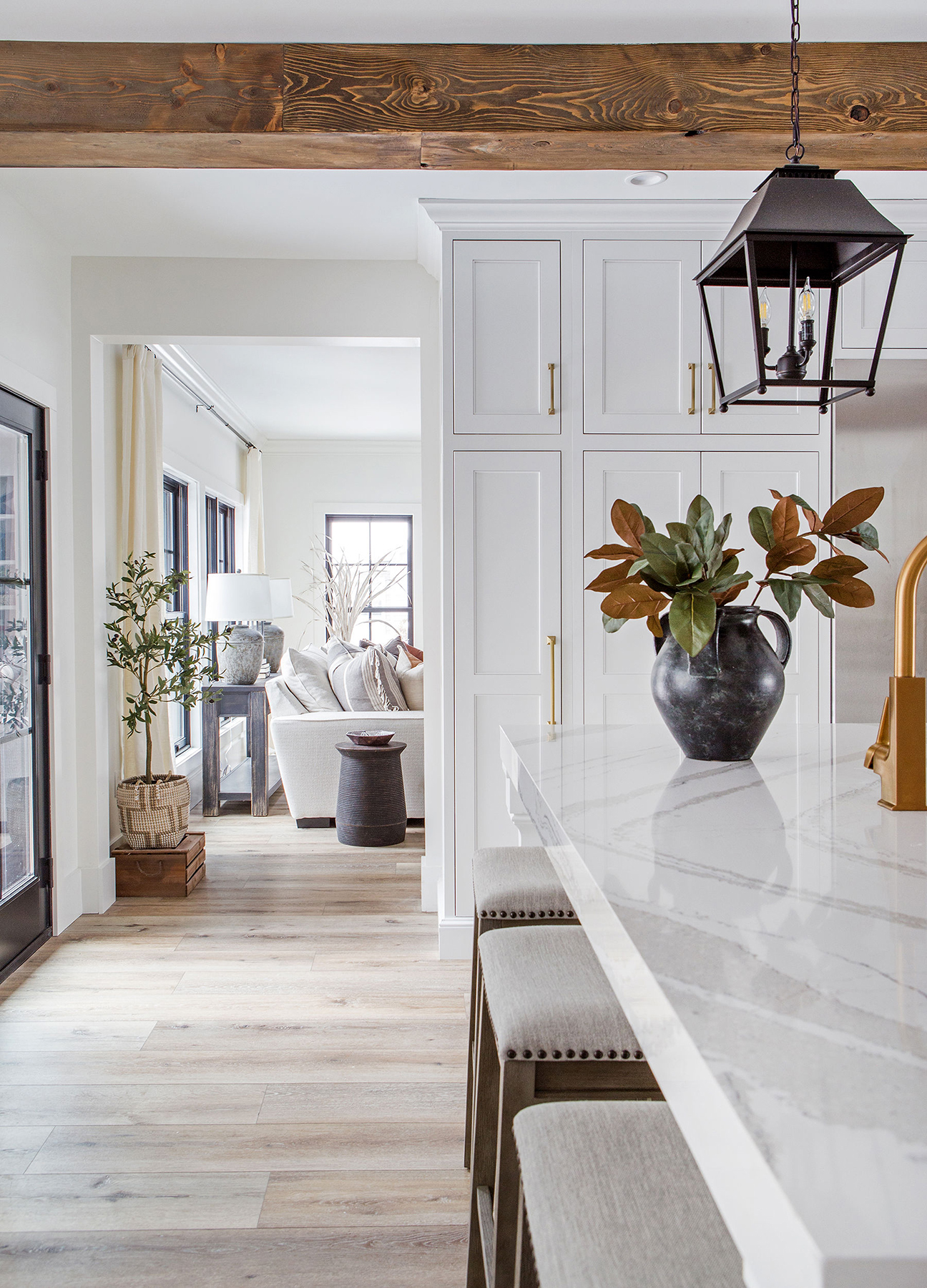
The entryway is the first thing you see when you come home and the last thing you move through when you leave. It sets the emotional tone for everything that follows. Don’t believe me? Think about the last time you were rushing to leave, couldn’t find your keys, then remembered you needed a jacket and had to retrace your steps through the house looking for it. In a matter of minutes, a simple departure becomes frantic. You are stressed, irritated, and running late before the day has even properly begun. That is what friction in the entryway does. It turns an everyday transition into unnecessary stress.
Most entryways fail because they were designed to look good, not to be used. There’s nowhere to put a bag down. No hooks at the right height. No tray for keys and mail. The result is a daily scramble that starts before the day has even begun.
For families especially, this is where the day’s first dominoes start falling. Shoes get kicked off in the wrong place. Someone can’t find a backpack. Keys disappear. A child needs help right as everyone is trying to get out the door. When an entryway lacks even the simplest systems, it doesn’t just look messy — it creates stress before the day has properly begun.
Common friction points in entryways:
- No dedicated drop zone — bags, shoes, and coats pile wherever there’s floor
- Hooks too few, too high, or nonexistent
- Poor lighting that makes the space feel like a closet instead of a welcome
- No transition surface — no bench, no table, no place to set something down and take a breath
The fix doesn’t have to be major. Even in a small entryway, a dedicated hook row at adult and child height, a basket for shoes, and one surface for catching the daily scatter can completely change how your mornings feel.
The Kitchen
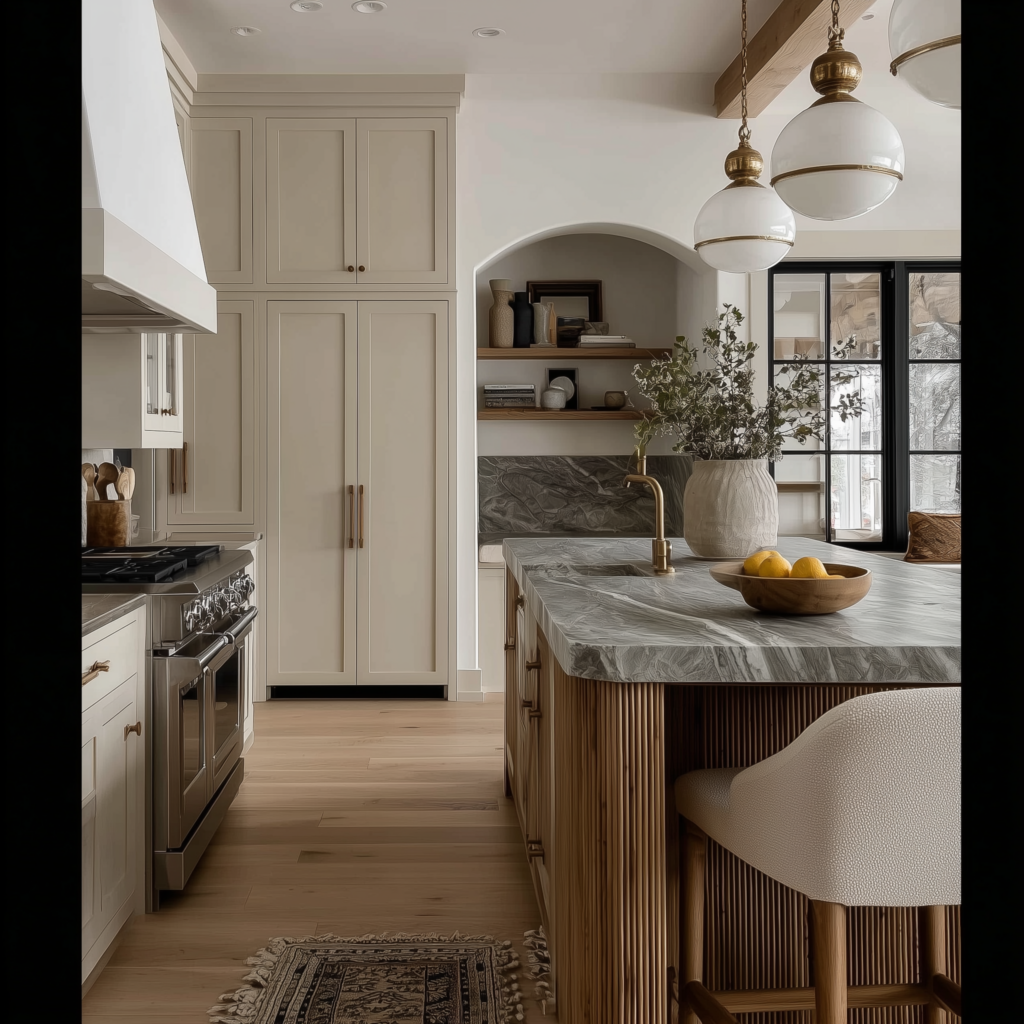
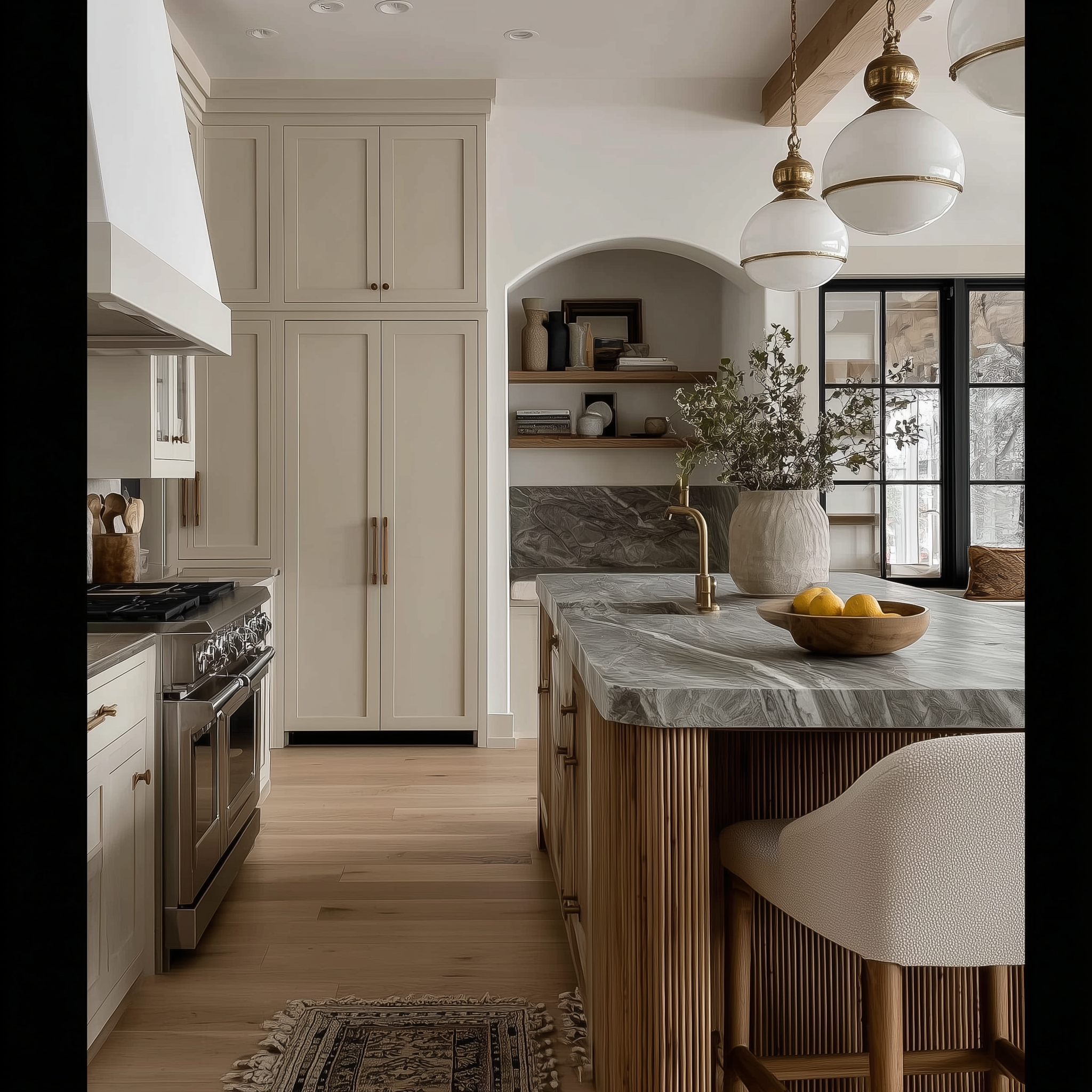
Kitchen design gets a lot of attention — and requires a healthy chunk of a renovation budget — but most kitchens are optimized for how they photograph, not how they function. Truthfully, I feel like the majority of kitchens I consult on were initially designed by someone who has never cooked a day in their life.
The most common complaint I hear from clients isn’t ‘I hate my cabinets.’ It’s ‘I can never find anything’ and ‘I’m constantly working around myself in here.’
What’s usually causing it:
- Counter clutter that shrinks the actual working surface
- Storage that doesn’t match how you cook — deep cabinets that bury what you use daily
- Traffic flow that puts the refrigerator, prep area, and sink in a triangle too wide to actually work efficiently
- Lighting that’s overhead-only, leaving your prep surfaces in shadow
- No dedicated landing zone for groceries, so they scatter across every surface
A functional kitchen should reduce decision fatigue, not add to it. You shouldn’t have to shuffle appliances just to prep dinner or move three things to put groceries away. The best kitchens support the rhythm of real life — unpacking, cooking, cleaning, packing lunches, reheating leftovers, making coffee half-awake. Those ordinary moments are where good design earns its keep.
Before any renovation conversation, I always ask clients to track how they actually use their kitchen for a week and where issues arise. The answers frequently reveal that the friction points are mostly organizational, not structural — and that’s fixable without touching a cabinet.
The Living Room
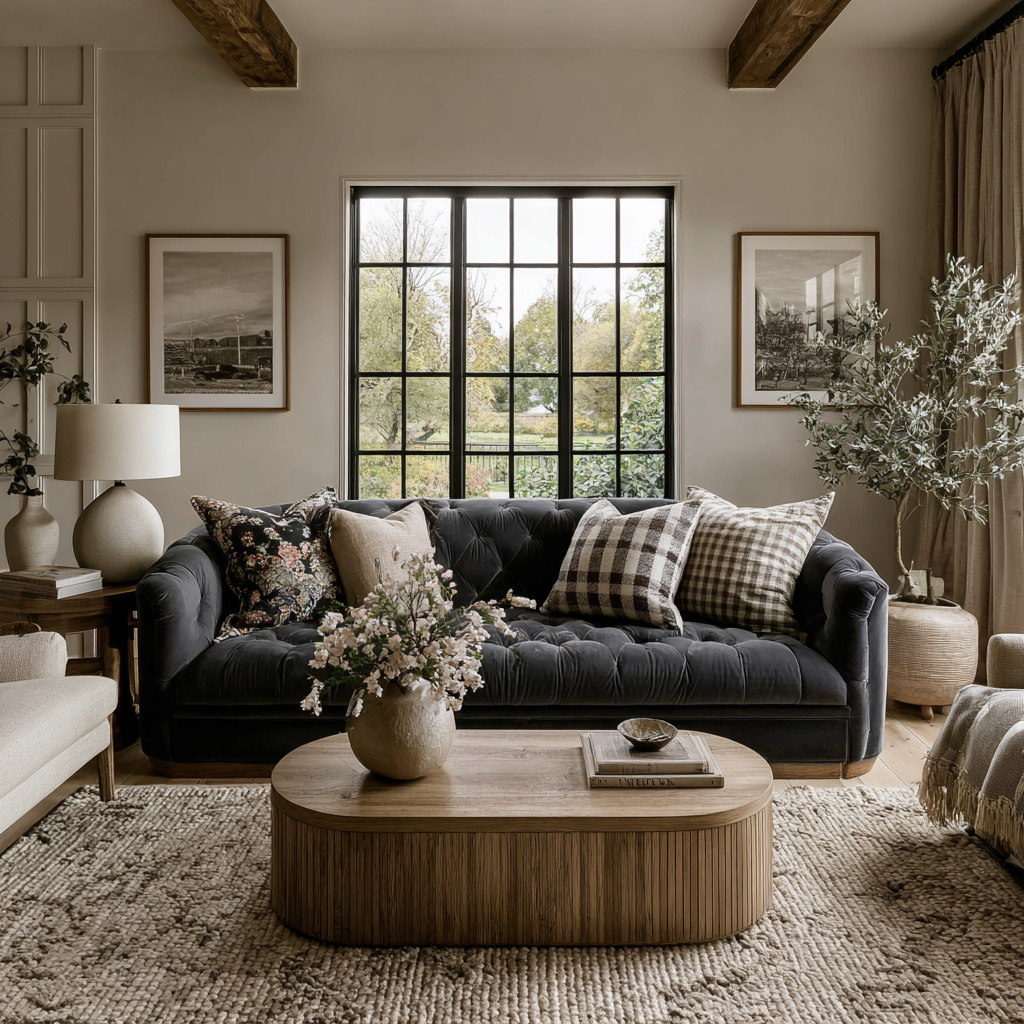
The living room is where a lot of homes are most over-designed and least lived-in.
Furniture gets arranged to make the room look balanced in photos. Sofas face walls. Coffee tables are the right aesthetic but too low, too far, or too fragile to actually use. There’s not a good place to put a drink, read a book, or have a real conversation without raising your voice across the room.
What I look for:
- Is the seating arranged for the people who live here, or for a hypothetical guest?
- Is every seat within reach of a surface? (Side tables, ottomans, and trays all count.)
- Does the lighting have layers — ambient, task, and accent — or is it one overhead fixture doing all the work?
- Is there a clear focal point, or is the room pulling in three directions at once?
The nervous system picks up on visual noise. A room with too many competing focal points — the TV, a gallery wall, a fireplace, a large window — creates a low-level overstimulation that makes it hard to actually relax, even when you’re ‘resting.’
Good living room design doesn’t just look calm. It lets you feel calm.
That might sound subtle, but it matters more than people realize. A living room should make it easy to settle in, connect, read, rest, or talk without effort. When the furniture is off, the lighting is flat, or every visual element is competing for attention, your body feels that before your brain names it. You may not say, “this room is overstimulating.” You just stop wanting to spend time there.
| IDS Perspective: I design around the nervous system. Spaces that feel good aren’t just beautiful. They’re calibrated to reduce cognitive load, minimize sensory noise, and give your body cues that it’s safe to exhale. |
The Bedroom
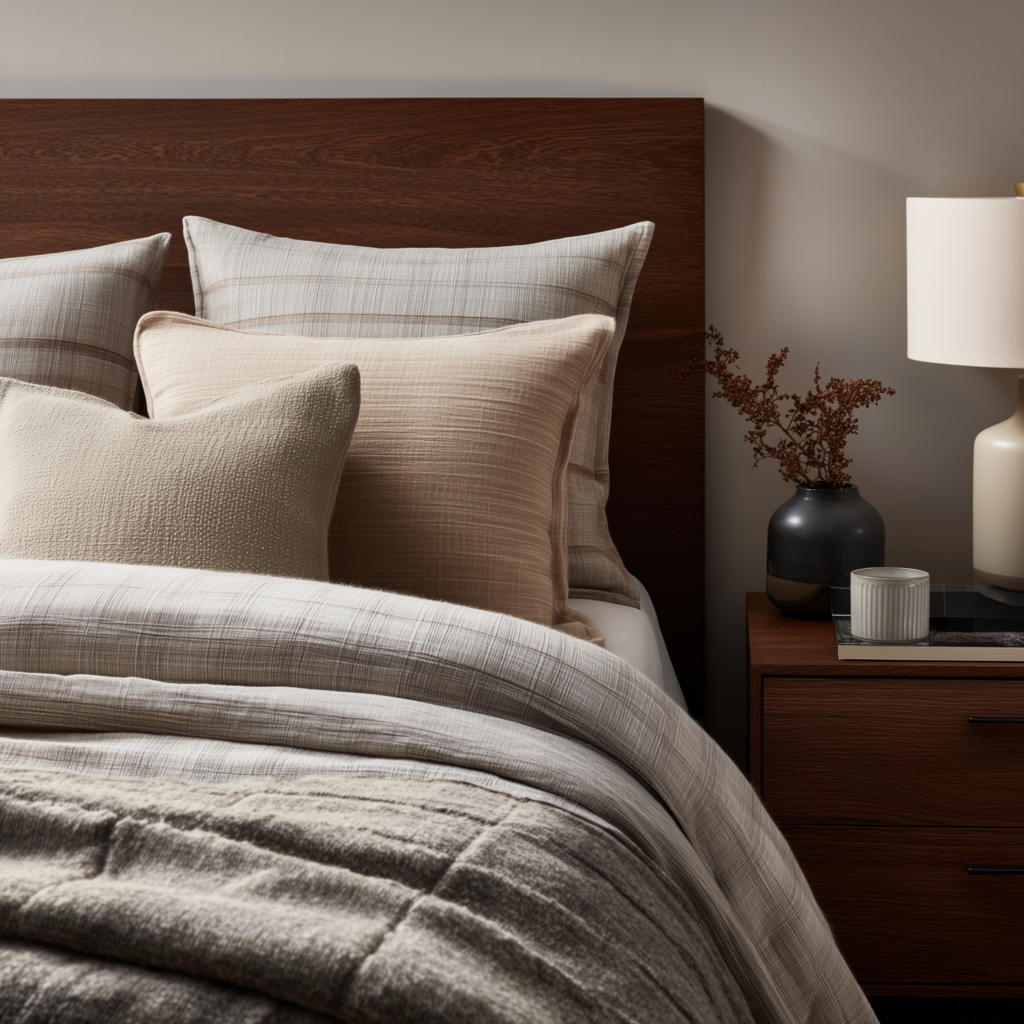
The bedroom should be the most restorative room in the house, but it is often one of the hardest to design well. Truthfully, this is something I still think about in my own home. Bedrooms are deceptively hard to get right because they are asked to hold so much: rest, routine, storage, comfort, and often the spillover from the rest of life. That is exactly why thoughtful bedroom design matters so much. Rest does not happen by accident. It is supported by an environment that feels settled, functional, and gentle on the nervous system.
Sleep is a nervous system function. The environment you sleep in either supports or disrupts it. And most bedrooms are working against rest in ways their owners have completely stopped seeing.
Most common bedroom friction points:
- Overhead lighting only — harsh, flat, and completely wrong for winding down
- Bed placement that puts you facing the door or in the path of morning light
- Work materials or screens in the sightline from the bed
- Visual clutter — piles, open shelving, visible closet chaos — that keeps the brain engaged
- A mattress and pillow situation that hasn’t been updated in a decade
None of these require a renovation. Swap the overhead for warm lamp light on dimmers. Reposition the bed if the layout allows. Put a basket in the closet for visual containment. Add a layer of curtains for morning light control.
So many bedrooms become storage spaces for everything life couldn’t hold elsewhere — laundry, work, devices, visual clutter, all our unfinished decisions. But rest requires a different kind of environment. It requires softness, containment, and fewer demands. When the bedroom keeps signaling productivity, unfinished tasks, or visual chaos, it becomes much harder for the body to believe it is safe to fully power down.
The bedroom should be the room that requires the least of you. Right now, for most people, it’s doing the opposite.
The Transitions — Hallways, Mudrooms, Laundry
Transition spaces get the least attention and cause the most daily friction.
Hallways are afterthoughts. Mudrooms — if you’re lucky enough to have one — are often underused or used wrong. The laundry room is a catch-all for everything that doesn’t have a home anywhere else.
These in-between spaces are where household systems either work or break down. When they work, life moves smoothly through them. When they don’t, they become the physical manifestation of household chaos.
What makes transition spaces fail:
- No dedicated storage for frequently used items — sports gear, cleaning supplies, seasonal coats
- Poor lighting that makes the space feel like a utility corridor
- No system for ‘in process’ items — things waiting to be returned, repaired, or redistributed
- Laundry rooms that don’t have a folding surface or hanging space, so laundry lives in baskets indefinitely
These spaces don’t need to be beautiful — though they can (and should) be. They need to work. Pegs, baskets, a folding counter, a labeled bin. The investment is small and the return in daily ease is significant.
How a Designer Sees Your Home Differently
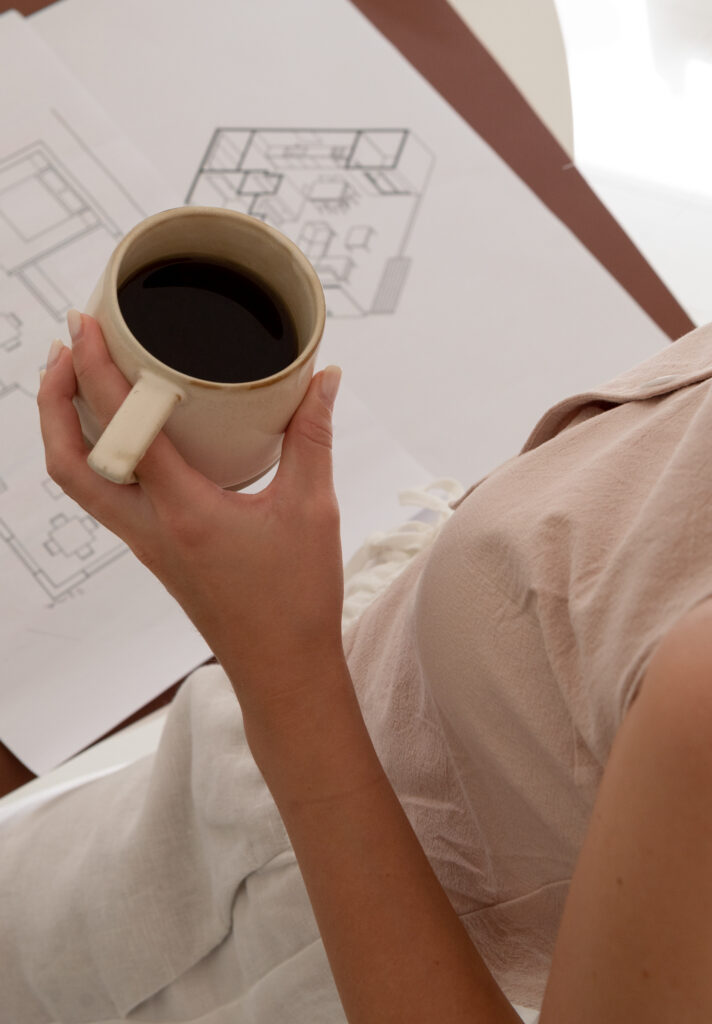
The friction in your home isn’t a personal failing. It’s a design problem.
Most homes were built or furnished without a full picture of how the people living in them actually move, work, and rest. Layouts made sense on paper. Furniture was chosen room by room. No one looked at the whole system.
When I walk through a home with a client, I’m mapping the movement patterns, the sensory environment, the storage logic, the lighting, and the emotional weight of each space. I’m asking: what is this room asking of the people in it? And is that ask reasonable?
Often the answer is no. And just as often, the fix is simpler than they expected.
An Interior Design Consultation with IDS starts by looking at your home this way — not room by room in isolation, but as an interconnected system that either supports your life or quietly drains it. We identify the friction points, prioritize the fixes, and give you a clear picture of what’s possible within your budget and timeline.
Instead of guessing what to change first, you leave with clarity. Instead of continuing to work around the same frustrations, you begin making decisions that support the way you actually want to live.
| Ready to see your home differently? If your home has been feeling harder than it should — more chaotic, more draining, more irritating in ways you can’t quite explain — there is usually a reason. And often, it is more fixable than you think. That’s exactly what a design consultation is for. Sometimes you do not need more inspiration. You need someone who knows how to spot what is not working and help you create a home that feels easier to live in. Book an Interior Design Consultation → |
Start Here
Not sure where your friction points are? Not quite ready for a consultation? Start with the 30-Minute Home Reset — my free guide to helping you spot the daily drag in your home and begin creating more ease, one room at a time.
→ Download the 30-Minute Home Reset
→ Book an Interior Design Consultation
Did you enjoy this post? I think you’d love my post on The Power of Storytelling in Interior Design which explains how to inject your story into your home.


homes